

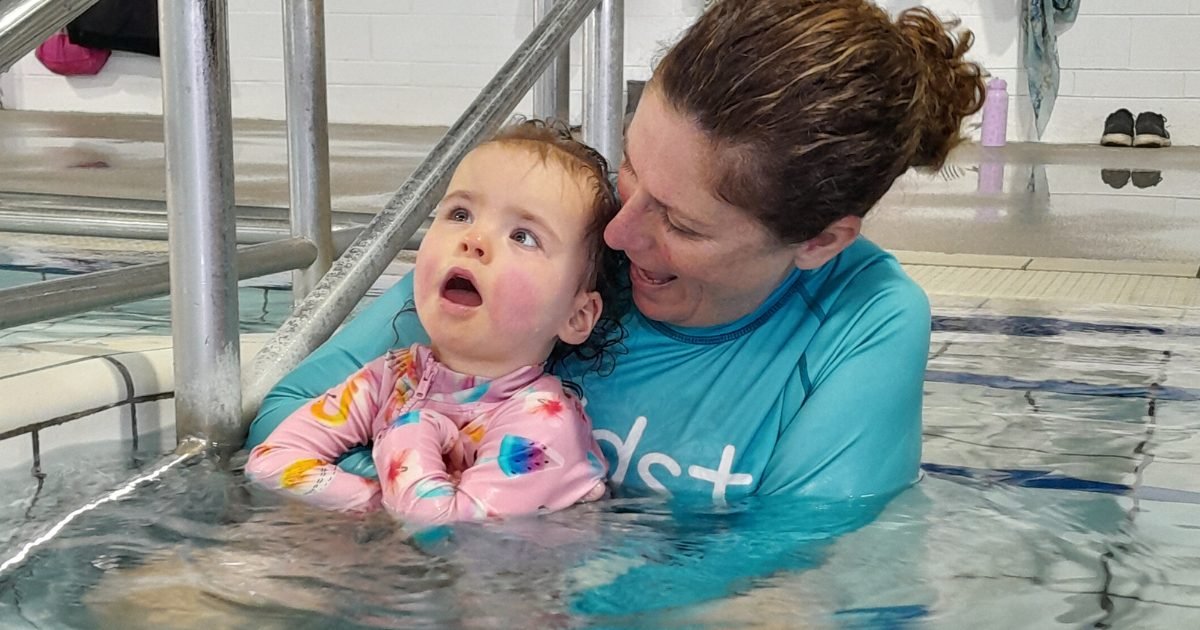
Aquatic Therapy for Children and Young People in Geelong
Aquatic Therapy at Kids+
There's something special about the water. For many children and young people, the pool offers a sense of freedom and movement that can be harder to achieve on land, and that's exactly what makes aquatic therapy such a valuable tool. At Kids+, our NDIS-funded aquatic therapy program combines the therapeutic benefits of the water environment with the expertise of our allied health team to support children and young people of all ages and abilities.
What is Aquatic Therapy?
Also known as hydrotherapy, aquatic therapy is therapy delivered in a pool or water environment. It can be a wonderful way to work towards land-based goals in a different setting, or to focus specifically on water-based goals and participation. The buoyancy and resistance of water creates unique opportunities for movement, relaxation, and physical activity that many young people find both enjoyable and empowering.
What Can We Work On?
Goals for an aquatic therapy program are as individual as each child. Areas of focus may include developing water safety awareness and confidence, building swimming ability or technique, improving strength, endurance, and fitness, supporting relaxation and joint mobility, working towards participation in learn-to-swim programs, and carer and family training to support safe water participation.
Aquatic Therapy Intensives
For children looking to focus on specific goals, we offer block intensive aquatic therapy sessions during the school holidays. Typically held at the warm water therapy pool at Norlane Activity and Recreation Centre (Norlane ARC), these sessions run Monday to Thursday across the April and September school holidays, with sessions also potentially available at Leisurelink.
A brief aquatic screening and possible land assessment by a physiotherapist is required before getting started. After that, the goals are limited only by imagination!
Get in Touch
Contact us today and our team will be in touch to chat about how aquatic therapy could support your child.